




Rotary Furnace
Rotary furnaces are industrial melting furnaces used for recycling, heat treatment, and melting of metals. These furnaces are commonly used in the production of steel, cast iron, zinc, lead, copper, aluminum, and other non-ferrous metals. They are widely used for scrap metal recycling and waste management, as they offer high fuel efficiency and combustion chamber control.
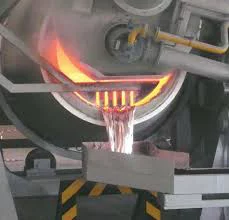
The operation of rotary furnaces involves melting the metal charge in a refractory-lined drum, rotating on its longitudinal axis. The refractory lining of the drum can withstand high temperatures and can protect the furnace shell from heat and corrosion. The furnace can be designed to operate at various temperatures, and the rotation of the drum can ensure uniform heat distribution and optimal mixing of the molten metal.
In addition to their efficiency in metal melting, rotary furnaces are also equipped with exhaust gas treatment systems for air pollution control. They can clean the flue gas and remove any particulate matter, dust, and other pollutants emitted from the combustion chamber. The furnace can also treat fugitive emissions from waste incineration and hazardous waste disposal.
In conclusion, rotary furnaces offer a sustainable and efficient solution for recycling and melting metals. They provide high fuel efficiency, combustion chamber control, and exhaust gas treatment for air pollution control. With their ability to handle a wide range of materials, they are an ideal choice for scrap metal recycling and waste management. Rotary furnaces are a vital component in the metal production industry and a crucial part of the circular economy.